To explore the multidimensional interactions between Global South studies and Asian American literary studies, and to contribute to developing an independent knowledge system for Chinese foreign literature studies, the 2025 Forum on Asian American Literary Studies was held on June 27, 2025, in Changsha, Hunan. The forum was jointly organized by the research group of the Major Project of the National Social Science Fund “A Study of Cultural Community Thought in American Ethnic Literature” and the research group of the Major Planning Project of the Renmin University of China Research Funds “A Study of Asian American Literature,” and hosted by the School of Foreign Languages, Central South University. Over 160 experts, scholars, and researchers from multiple universities and research institutions, including Brown University (USA), Academia Sinica (Taiwan, China), Nanjing University, Shanghai Jiao Tong University, Renmin University of China, Shandong University, Beijing Foreign Studies University, National University of Defense Technology, Shanghai Ocean University, Guangxi Minzu University, and Central South University, attended the event to engage in dialogue on cultural exchange and mutual learning.
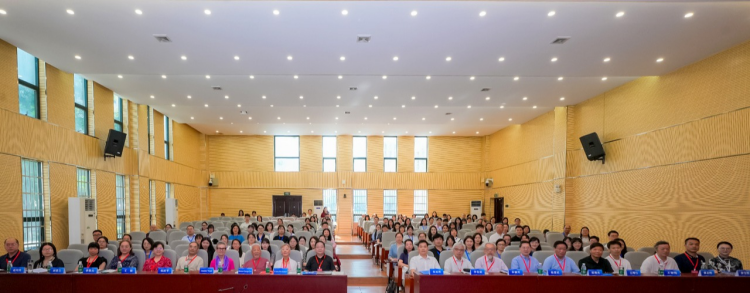
The forum featured 14 keynote speeches and five breakout sessions with in-depth discussions involving over 20 university faculty members and more than 70 master’s and doctoral students. Topics included Global South narratives in Asian American literature, ethnic coalition narratives and the concept of cultural community, and Asian American literary studies from regional, national, and African American perspectives. The discussions reflected contemporary contexts and deeply explored integrating literature’s contemporary mission with cross-civilizational mutual learning. Professor Yang Wendi, Dean of the School of Foreign Languages, presided over the opening ceremony.
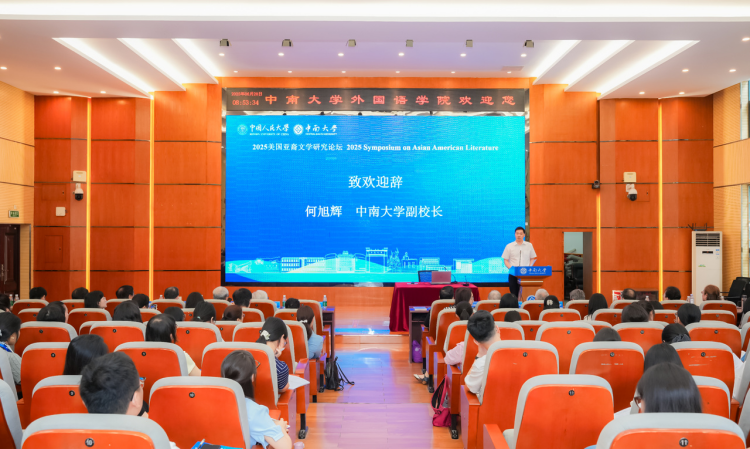
Professor He Xuhui, member of the CPC Standing Committee and Vice President of Central South University, delivered the welcome address. On behalf of the university, he extended a sincere welcome to scholars from home and abroad and requested continued support for developing the School’s foreign language and literature discipline. He introduced the university’s history and educational philosophy, noting that Central South University shoulders the historical responsibility of building a high-level national university and is vigorously working to realize the full potential of higher education. The university is actively advancing the prosperity of philosophy, humanities, and social sciences, including foreign language and literature. Professor He emphasized that the forum highlights significant contemporary relevance and practical concerns, will strongly promote the deep integration of Asian American literature and Global South studies, deepen understanding of new forms of human civilization, and inject new vitality into the study of British and American literature and mutual learning among civilizations.
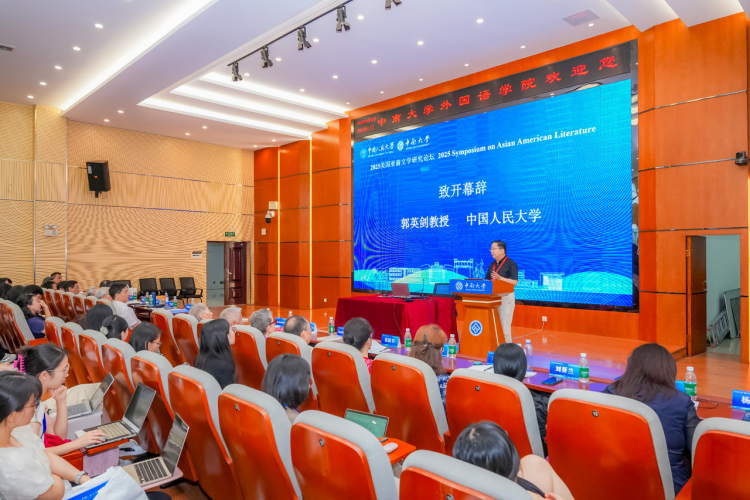
Professor Guo Yingjian, initiator of the forum, stated in his opening remarks that Asian American literature resonates with the intellectual resources, historical experiences, and cultural logics of the “Global South.” He noted that scholars and young students from various regions are gathering in Changsha, a city full of vitality, heroic spirit, and pioneering courage, to engage in cross-cultural, cross-historical, and cross-disciplinary dialogue from multilingual, multi-traditional, and multi-regional perspectives, dedicated to contributing to the construction of a new form of human civilization.
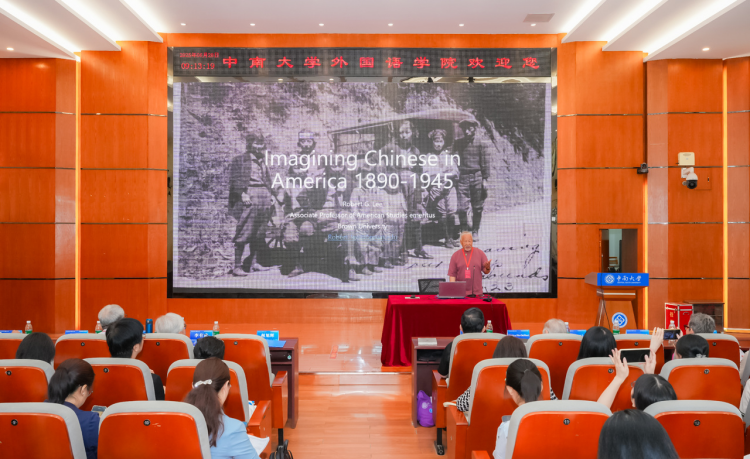
Professor Robert George Lee of Brown University revealed the profound gap between mainstream narratives and ethnic self-expression by comparing stereotypes of Chinese immigrants in American popular culture with a century’s worth of authentic imagery of a Chinese American family. He pointed out that these precious historical photos not only document the real lives of Chinese American families but also serve as crucial visual archives against racist stereotypes, offering new perspectives for reconstructing Asian American historical memory.
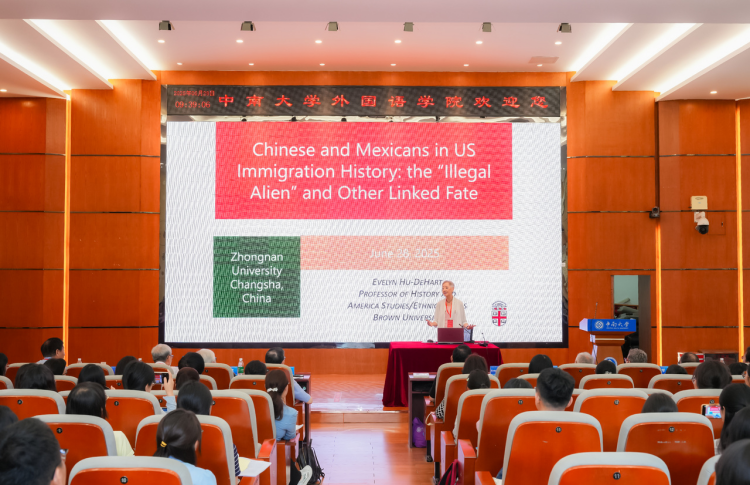
Professor Evelyn Hu-DeHart of Brown University, in her presentation titled “Chinese and Mexicans in U.S. Immigration History: The ‘Illegal Alien’ and Other Linked Fate,” reconstructed the history of a “community of shared fate” in which Chinese and Mexican immigrants lived and worked together along the U.S.-Mexico border from the mid-19th to mid-20th centuries. This history provides a vivid historical footnote to the concept of a “community with a shared future for mankind.”
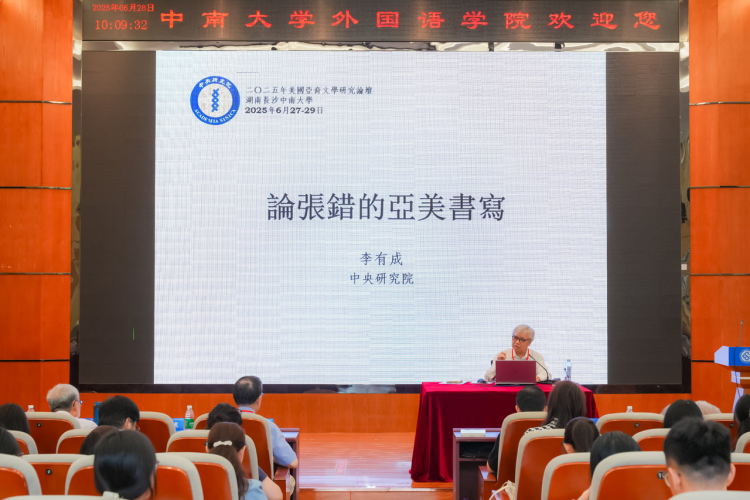
Professor Li Youcheng of Academia Sinica (Taiwan, China) offered a thorough interpretation of the literary works of Chinese American writer Zhang Cuo, noting that his work Golden Tears embodies profound diasporic experience and patriotic sentiment. Against the backdrop of rising anti-globalization sentiment, rereading this forty-year-old work holds special contemporary significance.
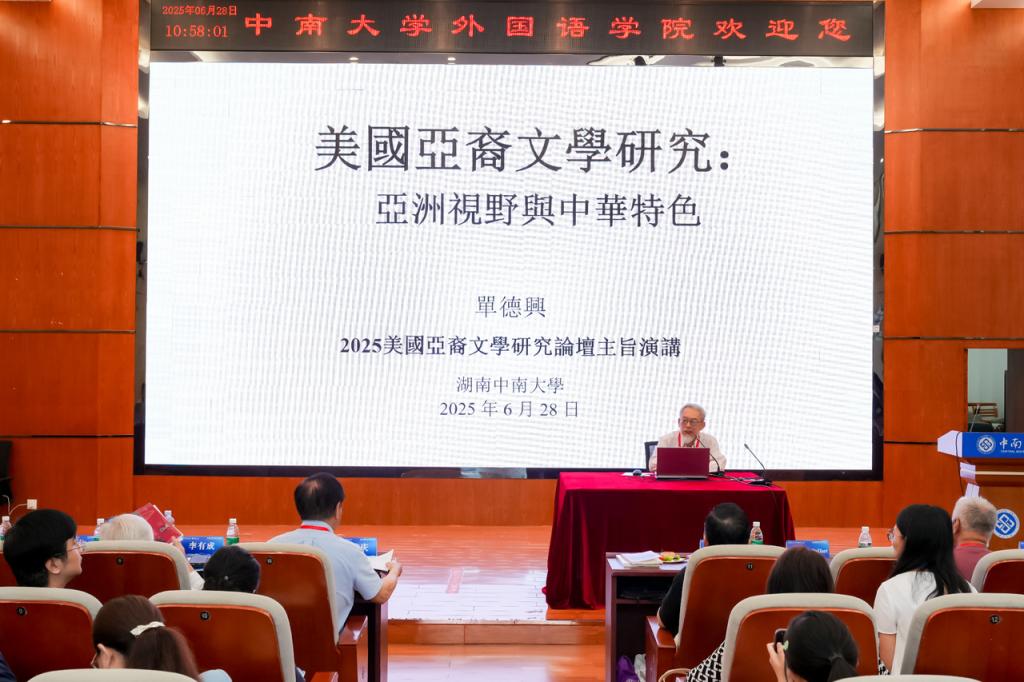
Researcher Shan Dexing of Academia Sinica (Taiwan, China) delivered a keynote report titled “Asian American Literary Studies: Asian Perspectives and Chinese Characteristics,” emphasizing the need to build regionally distinctive research paradigms based on bilingual competence and cross-cultural perspectives, to promote dialogue and interaction, and to better fulfill the social function of literary and cultural scholars.
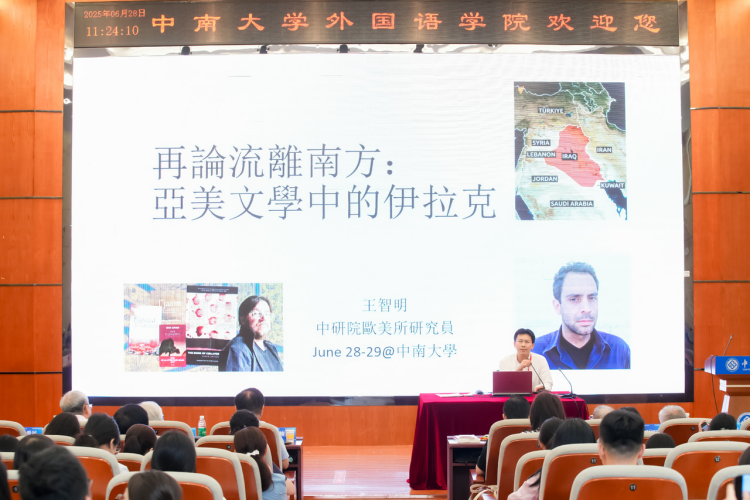
Professor Wang Zhiming, extending his theoretical framework of “diasporic South,” analyzed two Iraqi-themed Asian American literary works, revealing the survival challenges faced by Middle Eastern immigrants in the United States after 9/11. He creatively proposed the concept of “diasporic South,” arguing that these works connect the social realities of the Middle East and the United States through transoceanic narratives, not only recording the traumatic memories of immigrant communities but also engaging in profound critical reflection on contemporary geopolitics through literary means.
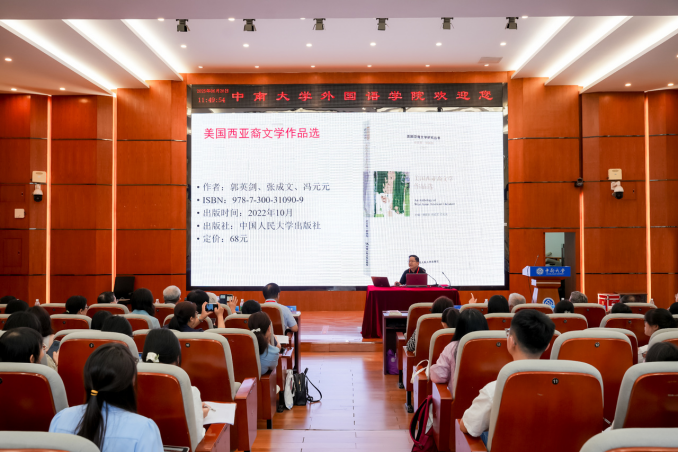
Professor Guo Yingjian, based on the latest demographic data from the Pew Research Center, comprehensively analyzed recent changes in the Asian American population in terms of size, geographic distribution, and generational structure. He reviewed more than a dozen Asian American literary works published in 2025, noting that these new works keenly capture changes in Asian American communities, exhibiting new characteristics in subject matter and narrative style, reflecting the dynamic creative vitality of Asian American literature.
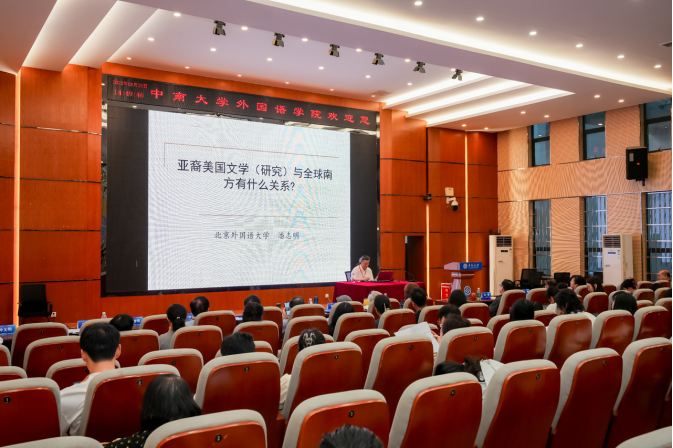
Professor Pan Zhiming of Beijing Foreign Studies University, in his report titled “What Does Asian American Literature (Studies) Have to Do with the Global South?,” systematically expounded the dual connotations of the concept “Global South.” He pointed out that this concept refers both to regional entities composed of developing countries and to marginalized groups within developed countries. In analyzing Asian American literature, attention must be paid both to its reflection on transnational justice issues and its presentation of domestic racial issues in the United States. These two dimensions together reflect the profound impact of colonial history and constitute important perspectives for understanding Asian American literature.
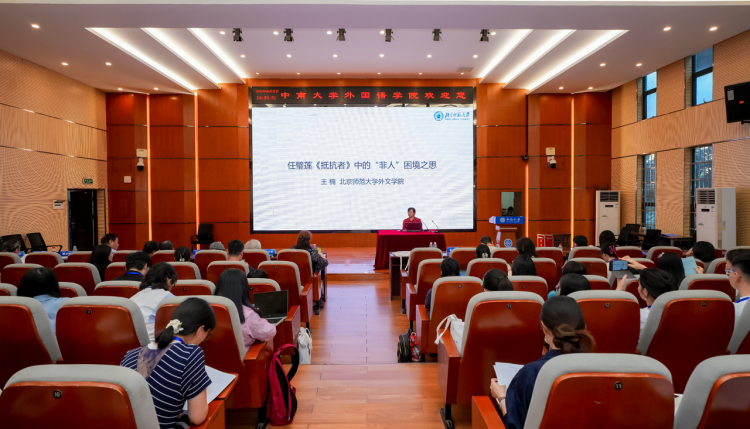
Professor Wang Nan of Beijing Normal University offered a substantive interpretation of Gish Jen’s novel The Resisters, focusing on the “dehumanizing” survival dilemma faced by immigrants in the work. She noted that the novel ultimately takes “resistance” as its theme, proposing the possibility of reconstructing identity through cultural negotiation, providing a new theoretical perspective for understanding the living conditions of contemporary immigrants.
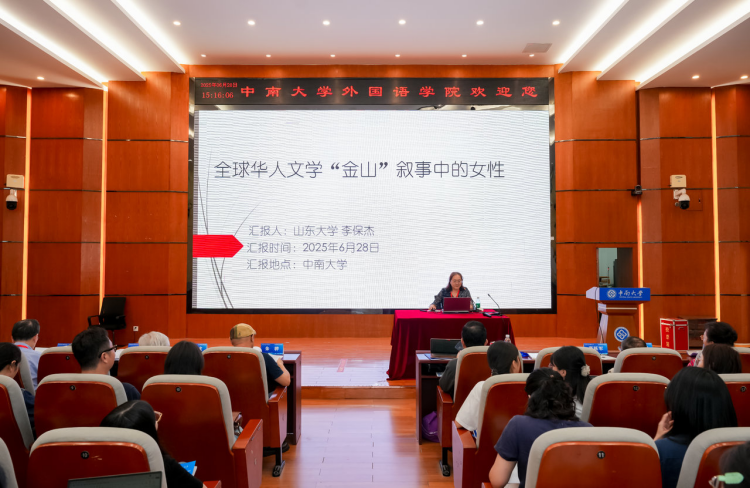
Professor Li Baojie of Shandong University reinterpreted the “Gold Mountain” narrative in global Chinese literature from a gender perspective. She systematically traced the evolution of the “Gold Mountain” imagery from gold rush literature to contemporary works, focusing on the marginalization of women in this narrative tradition. The research finds that women engaged in subtle forms of cultural resistance through daily practices such as food and clothing, as well as oral and written expression. This complex gender politics offers a new entry point for understanding Chinese immigration history.
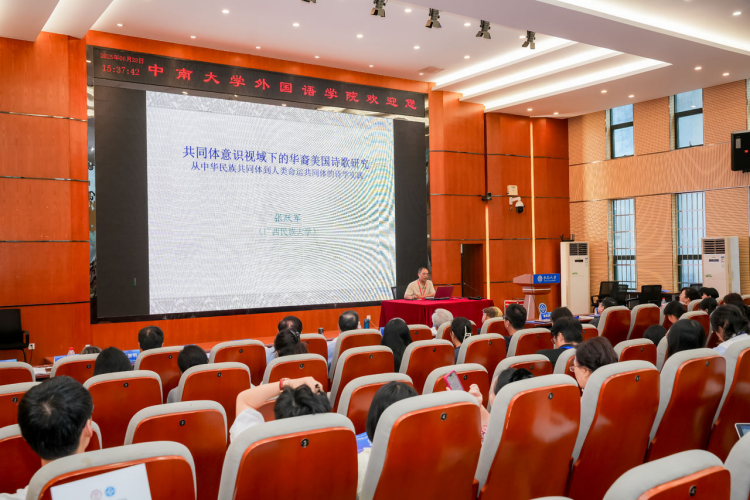
Professor Zhang Yuejun of Guangxi Minzu University systematically traced the development of Chinese American poetry over a century and a half. He pointed out that these poetries, initially emphasizing Chinese national identity, gradually evolved to reflect “harmony in diversity” and cultural integration, vividly documenting the social integration process of Chinese Americans. This literary evolution not only reflects the adaptation and innovation of ethnic culture but also serves as a vivid example of cross-civilizational exchange and the construction of shared human values.
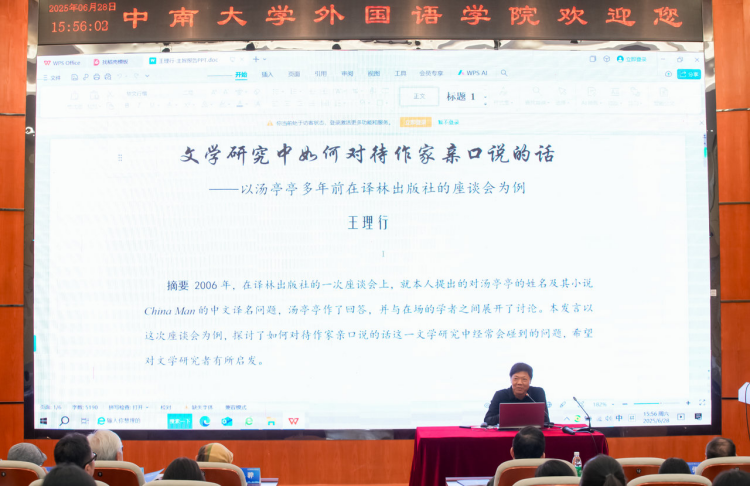
Professor Wang Lixing of Zhejiang Yuexiu University, using the case of a 2006 symposium with Maxine Hong Kingston, explored methodological issues in literary research regarding the use of authors' self-statements. He emphasized that while authors’ comments on their own creative work are valuable, they must be combined with textual analysis to avoid simply equating authorial intention with textual meaning. This discussion provides important dimensions for considering the objectivity and scientificity of literary interpretation.
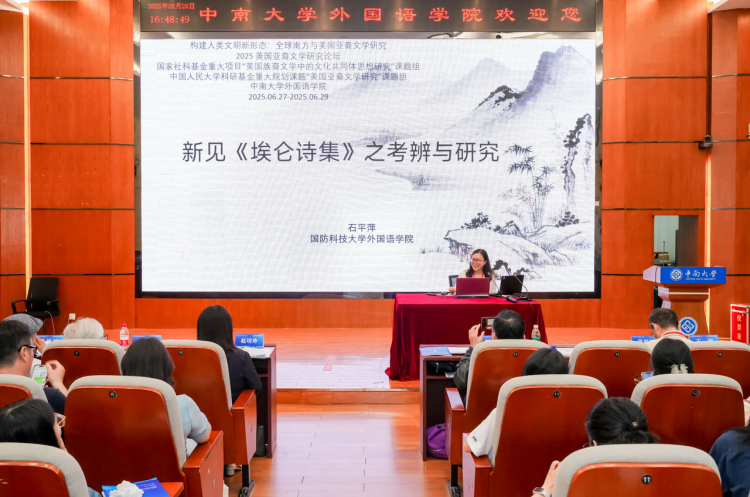
Professor Shi Pingping of National University of Defense Technology conducted a detailed philological examination of the new edition of Island (2014) and related research materials. She noted that although these new materials have not yet received sufficient attention, they provide valuable clues for understanding the creative background and reception of Angel Island poetry. Analyzing these documents not only reveals new trends in Chinese American literary studies but also sheds light on the evolution of academic paradigms and methodologies.
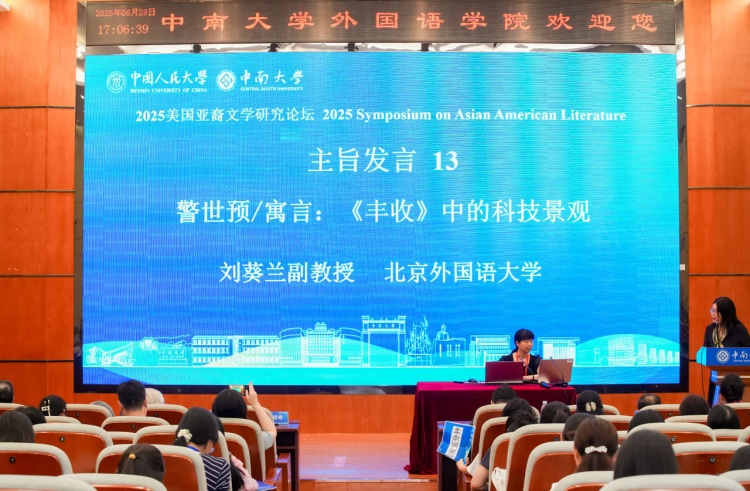
Professor Liu Kuilan of Beijing Foreign Studies University deeply analyzed the science fiction work Harvest (1997) by Indian-American playwright Manjula Padmanabhan. She pointed out that the play, through its sci-fi setting of organ transplantation, sharply reveals new forms of exploitation of developing countries by developed countries in the context of globalization. This “cautionary tale” not only critiques the ethical deficits in technological development but also calls for effective international regulatory mechanisms, offering important insights for contemporary discussions of technological ethics.
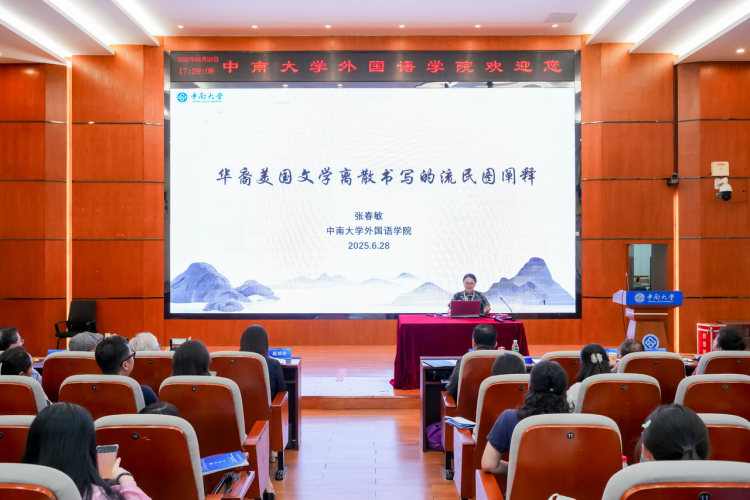
Professor Zhang Chunmin of Central South University conducted a cross-media dialogue between Jiang Zhaohe's Refugee and Chinese American literature. She argued that these two art forms form a profound intertextual relationship in expressing ethnic trauma, cultural identity, and related themes. By establishing this visual-textual interpretive framework, the research not only expands the horizons of diaspora literature studies but also provides new methodological insights for understanding the diverse presentations of cultural memory.
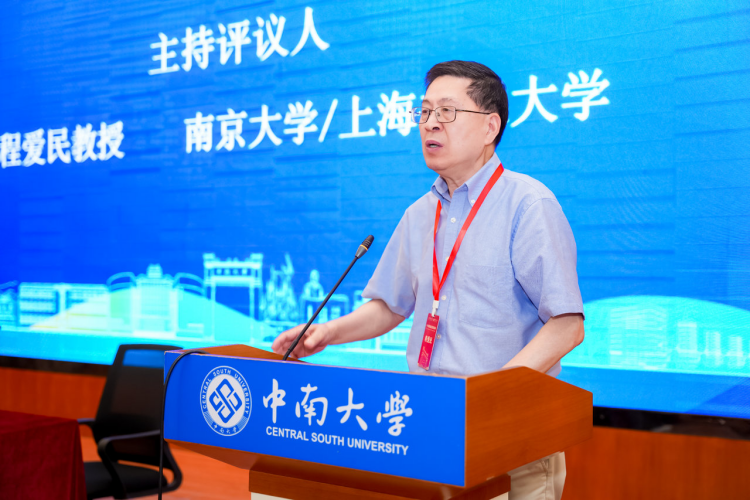
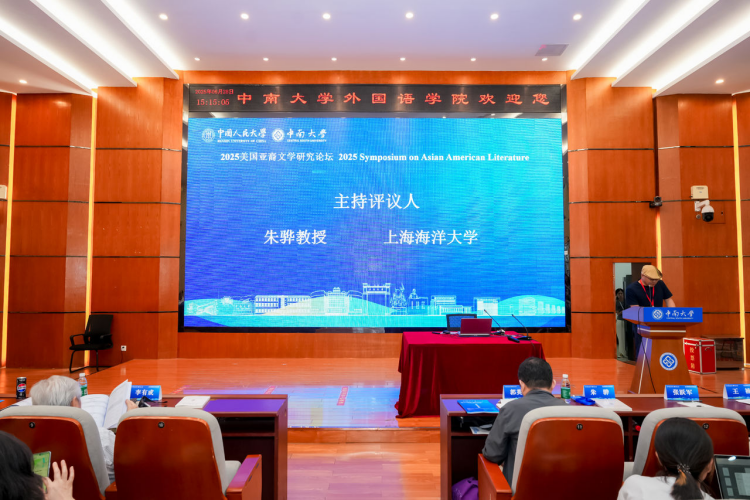
Experts including Professor Cheng Aimin (Nanjing University/Shanghai Jiao Tong University), Professor Guo Qiqing (Beijing Foreign Studies University), and Professor Zhu Hua (Shanghai Ocean University) chaired and commented on the keynote speeches.
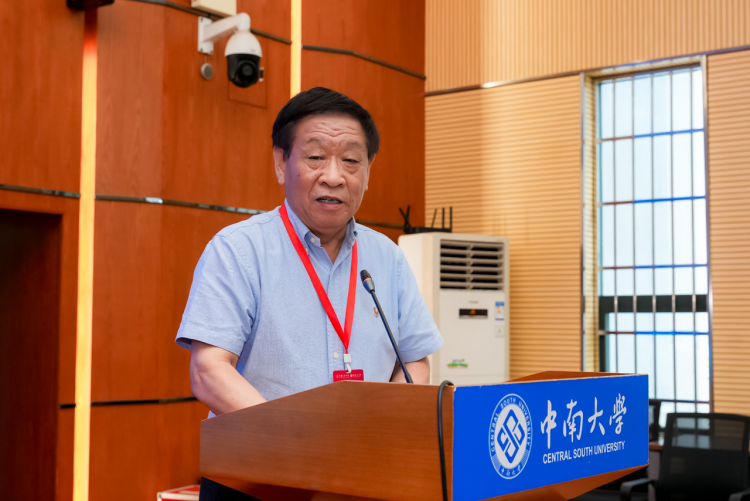
In the breakout sessions held in the afternoon, participants engaged in lively discussions on themes including “Diasporic Identity and Geographic Reconstruction in Asian American Literature,” “Emotional Memory and Trauma Writing in Asian American Literature,” “Cross-Border Writing and Identity Breakthroughs in Asian American Literature,” “Spatial Writing and Home Consciousness in Asian American Literature,” and “Gender Discourse and Women's Writing in Asian American Literature,” generating vibrant intellectual exchange and resonance. Evaluated by the forum's academic committee, 35 participating faculty and students received Outstanding Paper Awards.
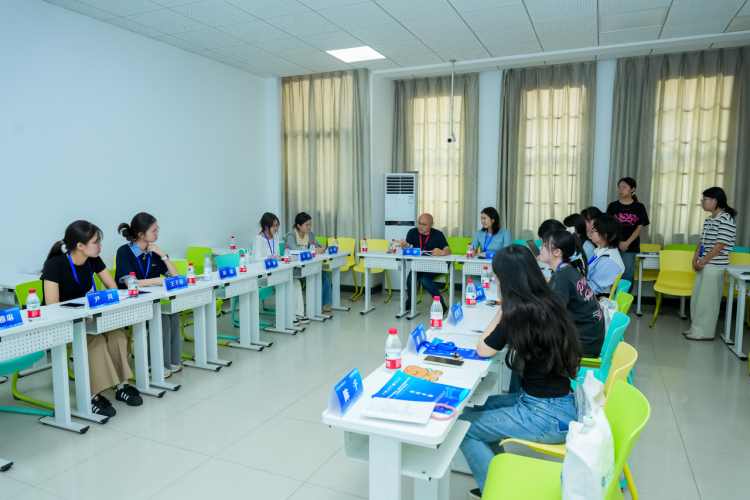
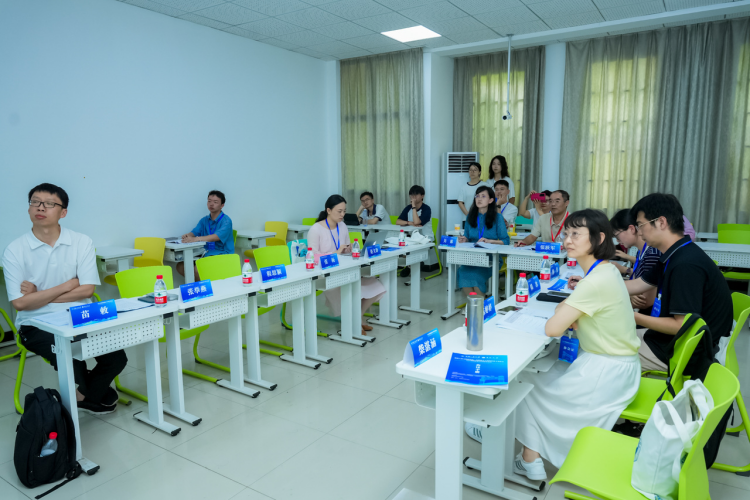
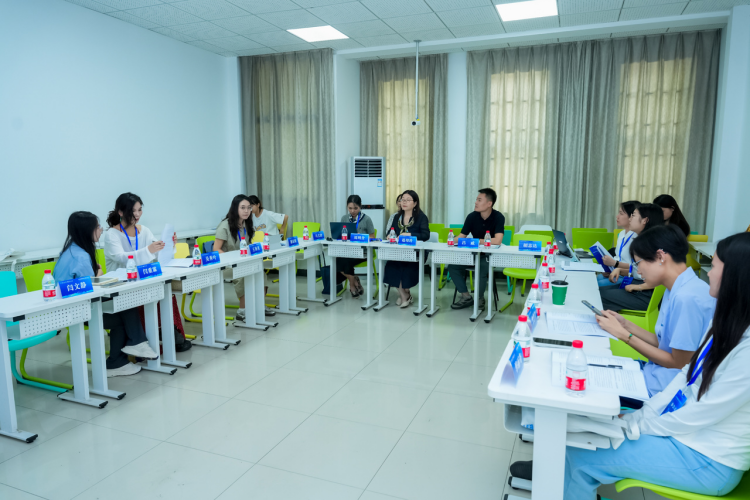
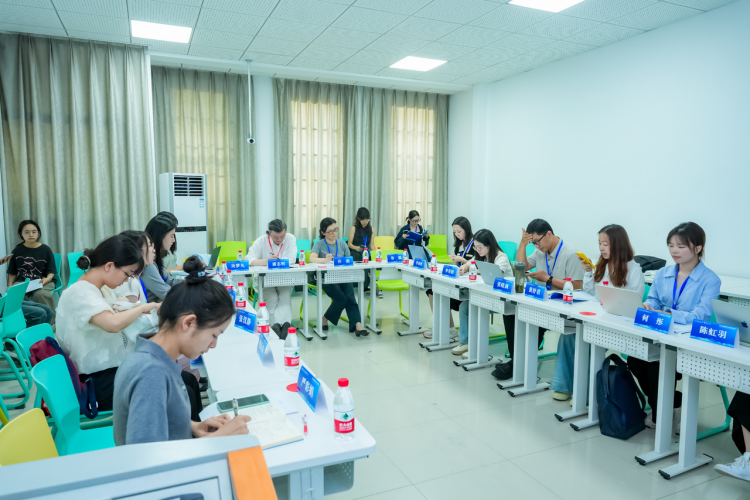
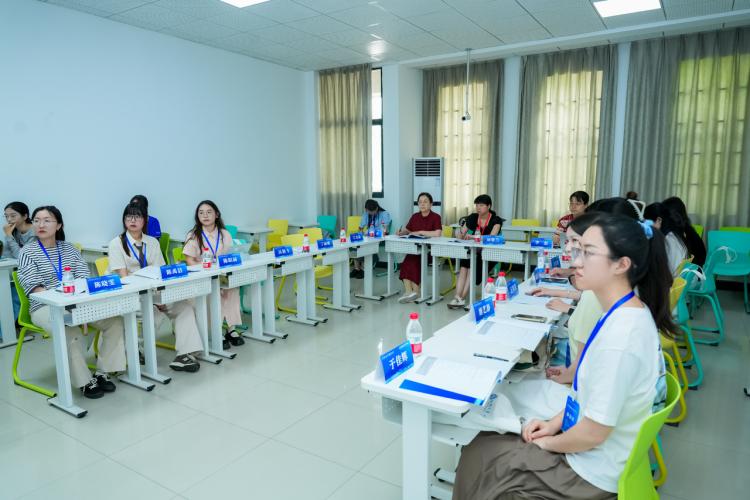
The forum brought together scholars from literature, culture, translation, and related fields, focusing on two core issues: the contemporary mission of literary studies and the future pathways of the Global South. This dialogue on world literature not only broadened academic horizons but also demonstrated the theoretical tension and cultural concern of literature's role in inter-civilizational dialogue across history, the present, and the future. At a time when global structures are being reshaped and international cultural narratives are diverse and contested, rigorous exploration of Global South and Asian American literary studies can further breathe life into solidified histories, give names to silent communities, dismantle hegemonies with poetic sensitivity, resist forgetting with scholarly rigor, and collectively sail toward a more diverse, inclusive, and harmonious future.








 Dean's Email
 Alumni Home

 中文
中文
 Navigation
 Navigation


